

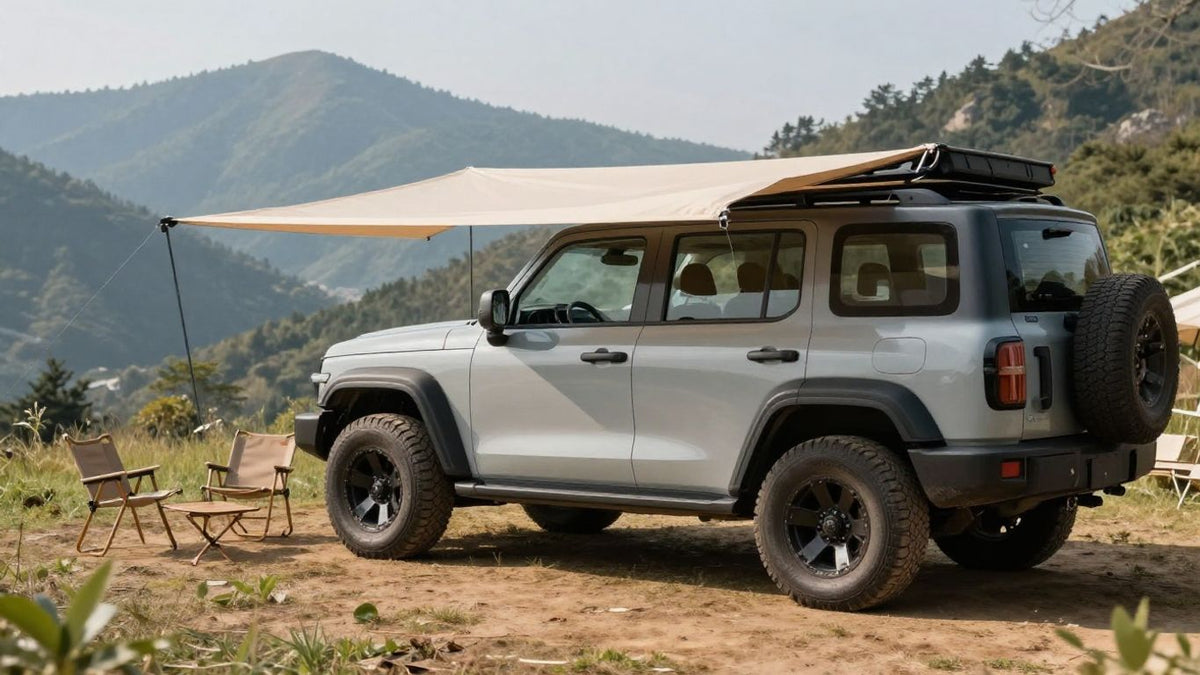
Choosing the right shade solution depends entirely on your specific setup, whether you prioritize mobility or open space. These five factors help define the ideal gear for your next outdoor excursion.
- Vehicle awnings offer rapid deployment directly from your rack.
- Camping canopies provide versatile, self-standing shade for groups.
- Installation requirements differ significantly between these two systems.
- Consider your vehicle's existing roof accessories before purchasing an awning.
- Each option serves distinct needs ranging from solo travel to backyard events.
What Is a Vehicle Awning?
A vehicle awning is a specialized, retractable shade structure that mounts directly to the roof rack or crossbars of your car, truck, or SUV. Unlike ground-based structures, these units are designed to stay with your vehicle at all times, making them a popular choice for overlanders who desire a quick shelter. By extending the footprint of your transport-base, they convert a simple parking spot into a comfortable, permanent base of operations.
Many enthusiasts rely on these rugged and reliable vehicle awnings because they offer a seamless blend of portability and protection. You can browse the top 11 vehicle-mounted awnings available today to see how different brands tackle wind resistance and durability, especially during extended road trips. Because these systems are integrated, you never have to worry about packing an extra tent or shade structure into your cramped cargo area.
When you venture off-grid, having a setup that deploys in minutes is essential for maintaining momentum. The best hardware is engineered to withstand various elements, providing you with convenient and reliable shade while you enjoy the outdoors. Whether you are using a sleek Rhino-Rack USA model or another premium attachment, the goal is always to keep your living space functional without sacrificing precious storage inside the cabin.
What Is a Camping Canopy?
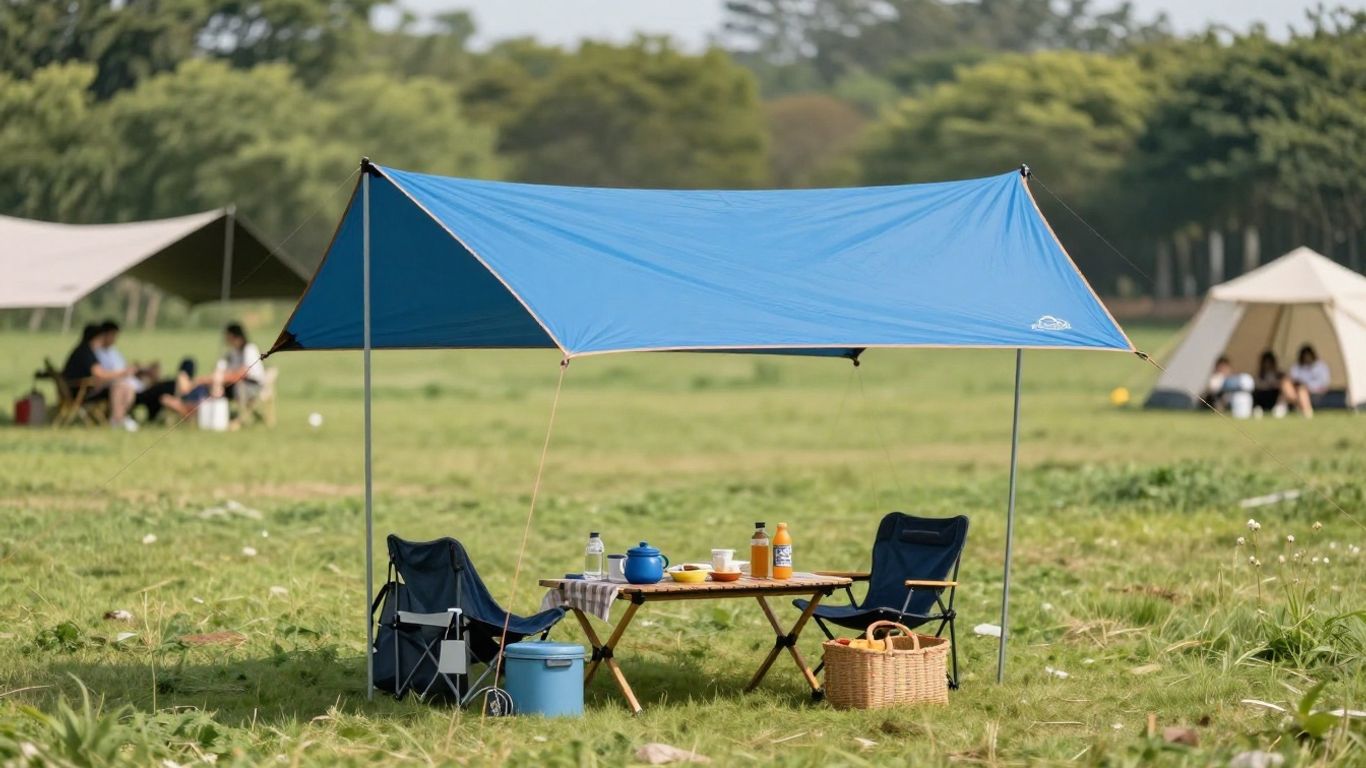
A camping canopy, often referred to as a pop-up tent, is an independent structure that you haul to and assemble at your campsite. These units typically feature a collapsible frame, usually made of steel or aluminum, and a fabric roof designed to shelter large groups. Because they are not physically attached to a vehicle, you have the total freedom to place them exactly where you need them most, such as over a picnic table or near the water’s edge.
This extreme versatility makes them a staple for backyard gatherings, family barbecues, and group camping events where your parking destination might be several yards away from your actual seating area. You can find these in various sizes, ranging from small 10x10 foot models to significantly larger configurations that can accommodate entire kitchens. Since they are stand-alone items, they are often easier to swap or replace if you need a different color, shape, or coverage area for a specific trip.
While they lack the integrated convenience of roof-mounted gear, they are incredibly effective for stationary base camps. If you own one of the many lightweight Newurtopia carbon fiber e-bikes, you might appreciate having a canopy ready to go for group rides where a centralized meeting spot is required. These structures serve as a social hub, ensuring that your group stays cool and dry regardless of the surrounding terrain or parking proximity.
Vehicle Awning vs Camping Canopy: Key Differences
Installation and Setup
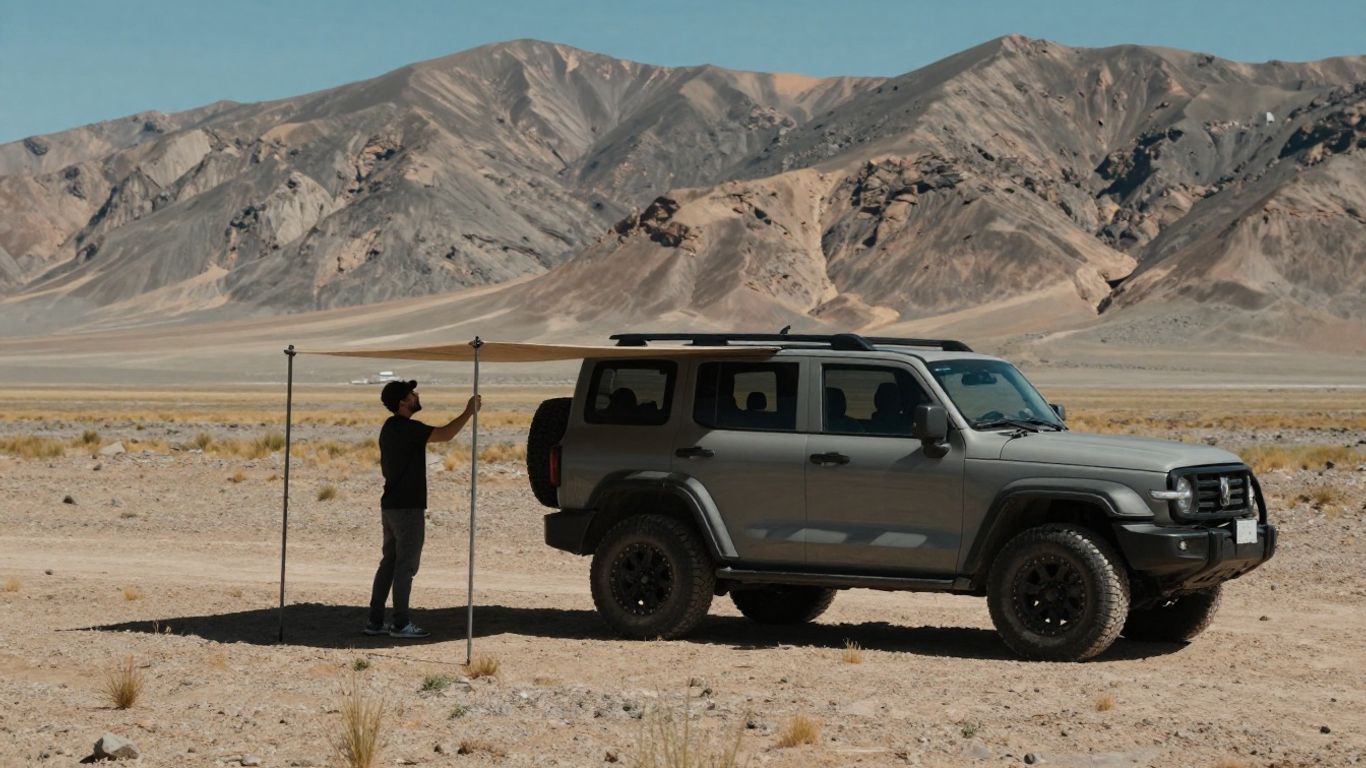
Vehicle awnings require specialized mounting hardware, specifically roof racks or bars to secure the housing. For those seeking premium rooftop awnings that integrate smoothly with existing equipment, professional installation or precise DIY work is mandatory. Conversely, a camping canopy is a standalone product that requires zero installation; you simply take it out of its storage bag, expand the frame, and secure it with guy lines.
- The awning is always attached to your ride.
- Canopies require manual assembly for every use.
- Roof-mounted gear often needs a stable crossbar setup.
- Standalone units offer total placement freedom.
- Weight distribution is a factor for roof-mounted systems.
Properly placing gear, whether it's a vehicle-side sunshade or a mobile bicycle repair kit for your Newurtopia electric bike, ensures that you spend less time tweaking equipment and more time riding or relaxing. While the canopy is easier to set up once you are at the site, the awning wins for those who want their site ready the second they put the vehicle in park.
Portability and Storage
Vehicle awnings stay mounted, meaning they do not consume any internal trunk space, which is a major advantage for long-distance travel. If you have an Urtopia carbon fiber e-bike stored in the back, you will appreciate how a vehicle awning keeps your cargo area clear of bulky frames and heavy support legs. Camping canopies, however, must be packed, hauled, and unloaded, which can be challenging if your vehicle is already packed with luggage or outdoor gear.
Setup Speed
| Feature | Vehicle Awning | Camping Canopy |
|---|---|---|
| Assembly Time | 1–2 Minutes | 5–10 Minutes |
| Storage Location | Attached to Roof | Inside Trunk/Cargo |
| Mobility | Stays with Car | Requires Lifting |
As shown in the table above, the time difference can turn a quick lunch stop into a hassle or a delight. An awning allows you to be up and running almost instantly, while a canopy often requires an extra pair of hands to properly unfurl and stretch the fabric over the metal frame.
Protection and Stability
Vehicle awnings rely on the vehicle's structural weight, providing excellent stability in moderate breezes, though strong gusts may require additional tie-downs. Camping canopies use heavy stakes and weighted legs to stay in place, and while they perform well in wide-open areas, they can be vulnerable to shifting if not anchored properly. Understanding the local weather before heading out makes a significant difference in how your shelter performs throughout your stay.
Which One Is Better for Different Outdoor Activities?
For Car Camping and Road Trips → Vehicle Awning
If you plan to move frequently, the efficiency of an awning is unmatched. You avoid the cycle of packing and unpacking a canopy, keeping your focus on the road ahead.
For Backyard Events and Large Groups → Camping Canopy
Larger crowds demand larger footprints. A canopy can be set up in the middle of a wide field or yard where a vehicle cannot reach, giving you the best social coverage.
For Fishing, Beach Trips, and Quick Adventures → Vehicle Awning
For short trips, you want to be parked and shaded within minutes. The car awning guide explains why these are preferred for adventurers who want to catch the tide without fussing over complex assembly instructions.
Why Choose a Portable Vehicle Awning?
A portable vehicle awning excels when you need a balance between integrated support and the ability to detach for specific trips. Unlike permanent fixtures, these smaller versions can often be removed or moved between vehicles, making them highly cost-effective if you own multiple cars or switch modes of travel frequently. This adaptability ensures you are never tethered to one specific shade strategy.
Conclusion
Selecting the right shade requires an honest assessment of your typical travel habits, vehicle capacity, and how much time you are willing to spend setting up camp. Whether you choose the rapid deployment of a vehicle-mounted system or the flexible, expansive coverage of a traditional camping canopy, both tools serve to enhance your time outdoors. Prioritize your specific needs for mobility and storage to ensure your outdoor gear works in harmony with your vehicle and lifestyle.
Frequently Asked Questions
Do vehicle awnings fit on all cars?
Most vehicle awnings require existing roof racks or modular crossbars for secure mounting; they are not typically designed for cars without roof infrastructure.
How much do these shade systems weigh?
Weights vary significantly based on materials, with carbon fiber or aluminum frames being significantly lighter than steel, usually ranging from 15 to 50 pounds.
Is it difficult to install a vehicle awning alone?
While some models are simple enough for one person, having a second hand helps significantly when lifting the housing onto your roof rack.
Can you leave a camping canopy out overnight?
It is generally recommended to lower or pack away a canopy overnight to prevent damage from unexpected wind gusts or rain accumulation.
Can I attach a tent to my vehicle awning?
Many manufacturers offer compatible tents or sidewall kits that attach directly to the awning, creating a fully enclosed shelter space for sleeping or changing.
Do camping canopies provide UV protection?
Most modern camping canopies come with treated fabric specifically designed to provide high levels of UV protection to keep you safe from the sun.
Which option is better for windy locations?
Vehicle awnings typically offer better inherent stability due to their rigid mounting, but both solutions should be heavily reinforced with heavy-duty guy lines in high winds.
How to Choose the Right Camping Flashlight
How Many Lumens Do You Need for a Camping Flashlight?